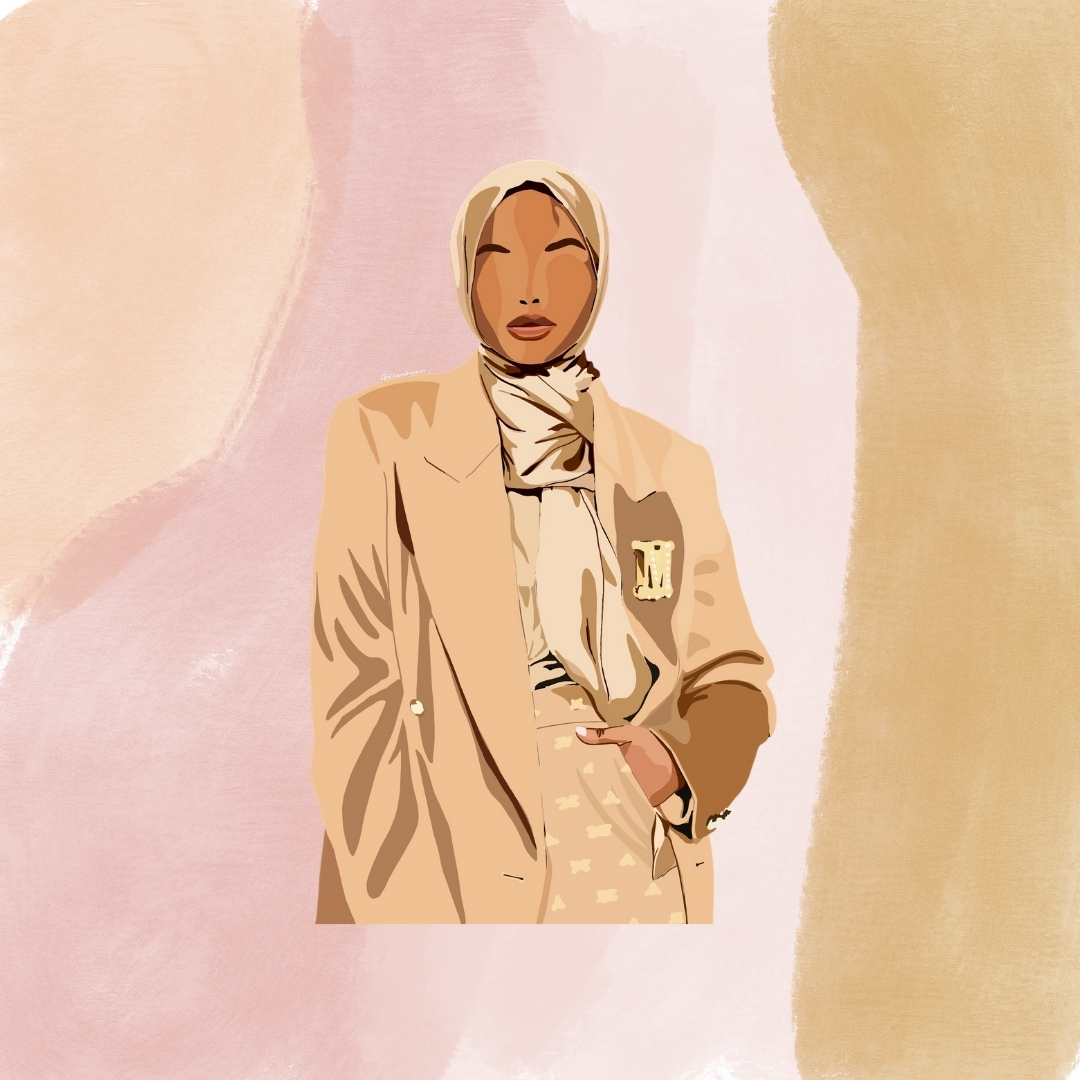
Earlier this week, Somali, hijabi model Halima Aden made headlines across the globe because of her decision to “bow out gracefully” from the mainstream fashion industry, which she said often “misrepresented” her hijab. After posting a series of Instagram Stories highlighting her hijab journey, she announced her plans to compete as the first Miss Somalia in the Miss Universe pageant.
Beauty pageants and modesty are certainly not the usual combinations of words that come together in a sentence. Historically, beauty pageants have been seen as competitions to judge and rank women on their physical attributes – a concept that is the complete opposite of what modesty is all about. These competitions have gained popularity all over the world especially in the US, since the 1900s, adding judgment categories over the years such as talent, intelligence, and public speaking. To this day, they are annual events with multiple regional, national, and international pageants all leading up to the Miss Universe pageant.
Modesty may be subjective, but the most common definitions of it would include moderation in how one presents themselves with humility, humbleness, and demureness. This comes through in modest fashion through the ideas of not showing off of one’s figure and skin, and keeping a balanced, respectable look. Beauty pageants on the other hand objectify women, scoring them on their levels of attractiveness and how they dress. While beauty pageants have come a long way in terms of diversity and inclusion, their ideals are still centered on judging women on their beauty and figures, and there have been many scandals and controversies related to them in the past.
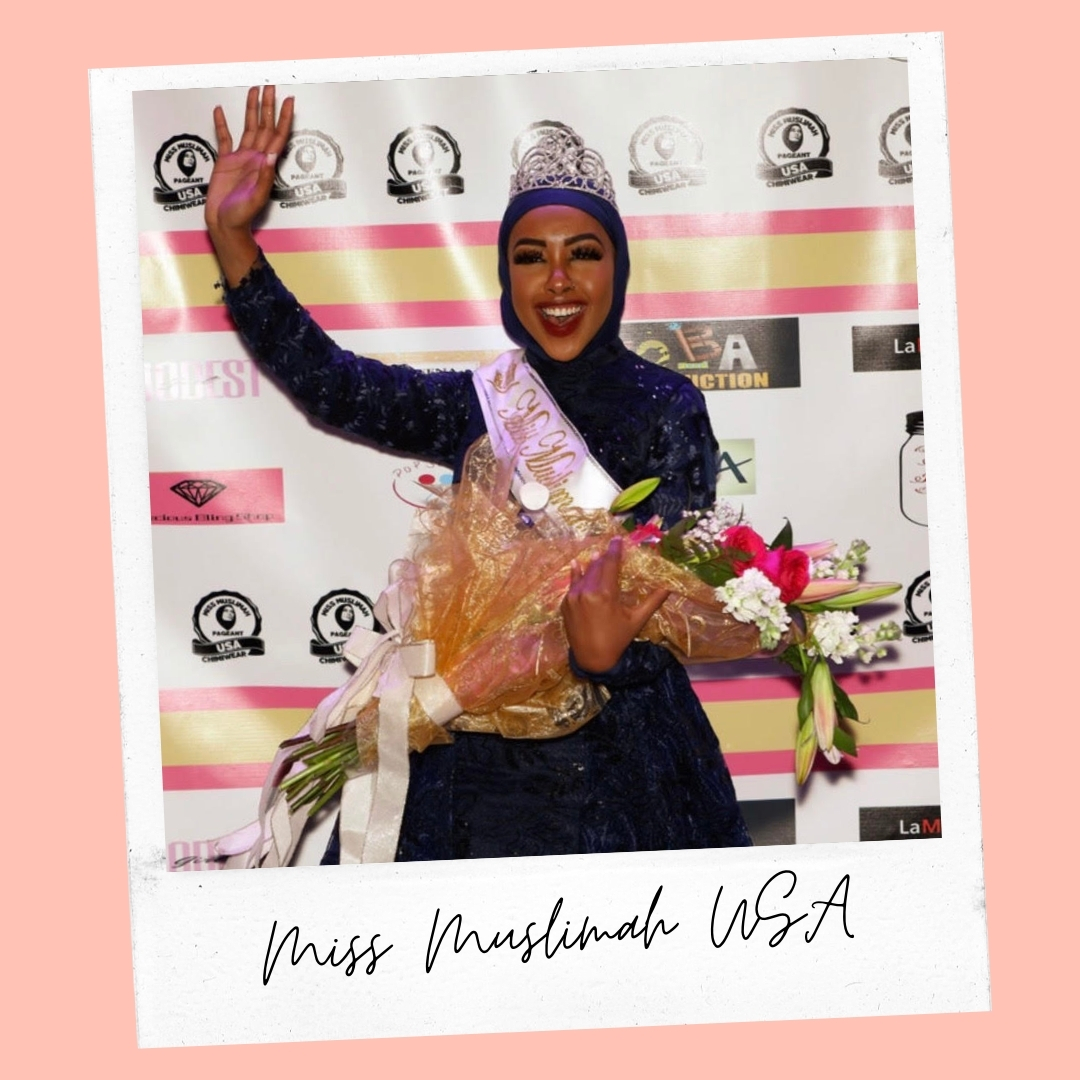
Pageants are a part of American culture, however, the original American beauty pageants clearly did not fit the ideals or criteria of the growing Muslim community there. In 2017, designer, Maghrib Shahid, founded Miss Muslimah USA, and its 2020 event took place in Michigan this past September. Zehra Abukar (pictured below), who, like Halima, is also a hijabi, Somali refugee, won this year’s pageant.
Miss Muslimah USA and the motivations behind it truly show how things can be adapted to the modest code. The competition flipped the judgement criteria of the original pageants and celebrated modesty instead, leading up to contestants even being disqualified if their dresses were too form fitting. Contestants take part in five different categories, abaya, burkini, special occasion, talent and a speech answering a question on how they would represent the title if they were to win. This competition aims to give a positive role model to the Muslim community, as well as a representative of Muslim women to challenge the many negative misconceptions people may have of the community.
Modesty, in its traditional sense, does not fit into the culture of beauty pageants. The glitz and glam and focus on appearances, are far from what the ideals of modesty or what modest fashion follow, however, the Miss Muslimah USA pageant is a step in the right direction, and an innovative way to highlight Muslim women within a framework that promotes positive role models in the community.
While Halima may be joining the more mainstream, traditional beauty pageant framework of Miss Universe, she too aims to promote positive representation, while remaining true to her hijab, her modesty, her homeland and her identity.